Bitcoin Synergy
Bitcoin Synergy: Why Order Flow Matters More Than Price Alone
Sign up now

Price alone tells only part of the story. Order flow shows what happens behind that price. It reflects how buy and sell orders interact at specific levels. When large orders enter the market, they can shift balance quickly. For example, a sudden cluster of buy orders can push price upward even without any visible trigger. Examining this behaviour helps explain why some moves feel strong while others fade quickly.
Order flow also reveals how different participants act. Retail traders often react late, while larger players place orders in advance. This creates patterns where price moves toward areas with pending orders. Analysing these zones allows learners to understand how positioning affects movement. Why does price return to certain levels again and again? Often, unfinished orders remain there, waiting to be filled.
Another key insight comes from comparing how order flow behaves across assets. A stock may show steady accumulation, while a currency pair may react sharply to order imbalances. These differences highlight how structure varies between markets. Evaluating such contrasts helps build a clearer view of how decisions form in real scenarios. Ever watched price move exactly where it “shouldn’t”? That moment often reflects hidden orders doing their quiet work.
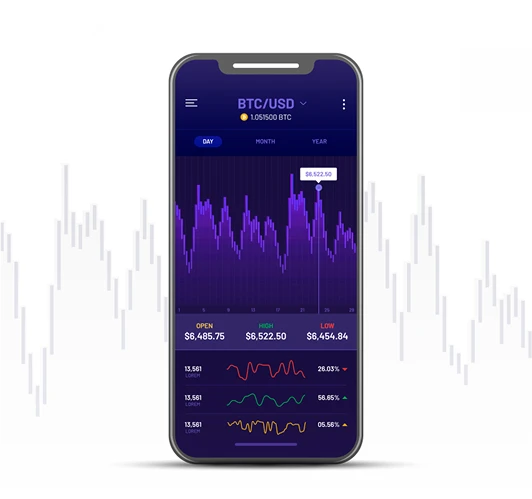
Curiosity often starts with simple questions. Why do prices pause at certain levels? Why do some moves fade while others continue? Bitcoin Synergy introduces a clear entry point by connecting individuals with organisations that discuss how financial systems operate in practice. These discussions often focus on structure rather than surface movement. For example, learners may examine how liquidity builds around key price zones or how order flow shapes short term direction. This early exposure helps shift attention from random movement to underlying behaviour. Ever stared at a chart and felt something was happening beneath the surface but couldn’t explain it? That curiosity often marks the real starting point.

Initial exposure to financial topics often begins with noticing patterns. Bitcoin Synergy helps guide that interest by linking individuals to organisations where structured discussions already take place. Instead of offering direct explanations, it introduces environments where ideas are explored from different angles.

Investment discussions often move beyond simple price changes. They may interpret how assets behave differently under similar conditions. For example, commodities may react slowly to supply shifts, while currencies adjust faster to policy signals. Evaluating these differences helps build a clearer picture of how asset behaviour varies.
Interest in financial topics often begins with simple questions about how trades form and why certain price levels attract repeated activity. Structured learning environments introduce these ideas through discussions that focus on how financial systems operate beneath surface movements. These conversations often examine how market structure develops, including how liquidity forms at specific levels and how order flow influences direction. Exposure to such discussions allows individuals to analyse financial activity from different perspectives rather than relying on isolated observations.

Price changes often reflect the interaction between buying and selling interest within a structured environment. Financial discussions may analyse how orders are positioned and how larger participants influence direction through their activity. For example, strong buying interest at a certain level can create a base where price stabilises before moving higher. Interpreting these patterns shifts attention from surface movement to the mechanics behind price behaviour.
Financial discussions often evaluate how participants adjust positioning when economic conditions shift. Instead of focusing on isolated developments, attention is placed on how decisions are formed in response to changing conditions. For instance, changes in borrowing costs may lead some participants to reduce exposure, while others position themselves for longer term opportunities. Comparing these responses highlights how different strategies operate within the same financial environment.
Another area of financial learning involves comparing periods where markets experienced sharp adjustments. These situations allow individuals to analyse how liquidity conditions changed and how participation shifted during stress. Some assets may recover quickly, while others may remain under pressure for extended periods. Evaluating these contrasts helps explain how asset behaviour differs across environments and how risk management thinking develops during uncertain conditions.
Connections between individuals and educational organisations create a starting point for structured financial discussions. These connections focus on introductions rather than direct instruction. Once communication begins, individuals may engage with organisations that explore how financial systems are organised, including how liquidity forms around key levels and how order flow influences positioning. This process allows financial topics to be examined through guided conversations instead of isolated interpretations.
Different organisations often approach financial topics from distinct angles. Some may analyse how large institutions position orders within markets, while others interpret how smaller participants react to those movements. Exposure to multiple viewpoints allows individuals to compare interpretations and evaluate how financial behaviour is explained across different environments. This variety helps highlight that financial activity is shaped by interactions between different types of participants rather than a single perspective.
Financial systems operate within changing conditions, which means outcomes can differ even under similar setups. Examining how expectations shift during different phases helps explain why price behaviour does not follow a fixed pattern. For instance, when positioning changes ahead of policy adjustments, reactions may differ from previous periods. Evaluating these situations introduces the idea that decision making must consider context rather than rely on fixed assumptions.
Different asset categories often respond in distinct ways under similar conditions. Commodities may reflect supply changes, while currencies may adjust to shifts in borrowing conditions. Equities may respond to changes in earnings expectations. Comparing these behaviours allows individuals to interpret how various markets operate within the same economic cycle. This approach highlights how differences in structure influence how each asset reacts over time.
Staying relevant in trading is less about reacting fast and more about interpreting structure correctly.
Modern traders focus on how price forms within organised environments rather than chasing movement. For example, identifying where liquidity builds can explain why price pauses or reverses at specific levels.
Analysing these areas helps traders align decisions with underlying behaviour instead of surface changes. This shift from reaction to interpretation forms the foundation of consistent participation.

Modern markets often reflect the activity of large participants placing significant orders over time.
Traders who remain relevant learn to analyse how these positions develop within Bitcoin Synergy. For instance, gradual accumulation at certain levels may indicate preparation for a larger move.

A common challenge involves deciding whether to follow immediate price action or broader direction. Modern traders address this by comparing short term fluctuations with longer term structure. For example, a short term move against a broader trend may represent a temporary adjustment rather than a full reversal. Evaluating both perspectives helps avoid confusion between noise and meaningful shifts. This balance supports clearer decision making across different time horizons.
Relevance in trading also depends on how risk is understood and managed. Instead of focusing only on potential outcomes, modern traders analyse how different scenarios may unfold. For example, entering a position near a liquidity gap may increase exposure to sharp moves. Evaluating these situations in advance allows traders to adjust position size or timing. This approach builds awareness of how risk behaves under different conditions rather than treating it as a fixed concept.
Different markets respond in distinct ways, and modern traders adapt by comparing these behaviours. Commodities may react to supply shifts, while currencies may adjust to changes in borrowing conditions. Equities often reflect expectations tied to company performance. Analysing these differences helps traders understand how structure varies across assets. This broader perspective allows for more flexible thinking when approaching different financial environments.
Investment education introduces methods for examining financial information, but it does not replace independent thinking. Learners may access different perspectives, yet conclusions must still be formed through personal evaluation. For example, comparing asset behaviour across conditions may reveal patterns, but applying those insights requires judgement. This process highlights that education supports analysis while leaving responsibility for decisions with the individual.
Trading does not come with a finish line. Early stages may create the feeling that once core ideas are understood, learning can slow down. In reality, those same ideas begin to change in meaning over time. For example, market structure may look simple at first, yet later it becomes more about how liquidity shifts within that structure. Interpreting these changes requires ongoing effort rather than relying on initial understanding.
As experience grows, the focus moves from recognising patterns to analysing behaviour behind those patterns. A setup that once seemed reliable may produce different outcomes when order flow changes.
Comparing these situations helps traders understand why similar conditions can lead to different results. This stage of learning is less about repeating actions and more about refining decision making through evaluation.
Financial activity often moves through phases that influence how trades develop. Some phases support steady continuation, while others create frequent reversals.
Traders who continue learning analyse how these shifts affect timing and positioning. For instance, a strategy that performs well during a stable phase may struggle during transitions. Evaluating these differences helps traders adjust rather than apply the same approach across all conditions.
Risk awareness develops gradually as traders encounter different situations. Early decisions may focus on entry points, but later attention shifts toward managing exposure across varying conditions. For example, entering near a low liquidity area may increase the chance of sharp movement. Analysing these scenarios helps traders understand how risk behaves and how adjustments can be made before entering a position.

Investment education may explain how financial systems operate, but it does not remove risk from trading activity. Financial environments function through interactions between liquidity, positioning, and participation. Because these elements shift over time, exposure to risk remains present in every situation. For example, a trade placed near a strong level may still face pressure if order flow changes unexpectedly. Analysing these conditions shows that understanding structure does not eliminate uncertainty within decision making.
Educational discussions often interpret how different forms of risk appear across financial environments. Some risks develop gradually when positioning builds over time, while others emerge quickly when liquidity becomes uneven. Examining these variations helps explain how exposure can change depending on the situation. This approach highlights that risk is not a single factor but a combination of conditions that interact within financial systems.
Learning about these aspects may support more careful evaluation of financial activity. However, it does not guarantee protection from losses. Decisions still depend on how individuals interpret conditions, manage exposure, and respond to changing environments. Cryptocurrency markets are highly volatile and losses may occur.
Investment discussions often present frameworks for interpreting financial systems, but they do not provide ready made conclusions for every situation within Bitcoin Synergy.
Learners may expect clear answers, yet most discussions focus on how to analyse structure rather than what decision to take.

Financial conversations can include strong viewpoints, but these views are not always supported by measurable evidence. Investment education does not remove the need to question such opinions. Instead, it encourages comparing narratives with structural elements such as order flow or positioning. For instance, a widely shared idea may seem convincing until examined against how participants are actually positioned. Evaluating this difference helps separate opinion from observable behaviour.
Learning about financial structure introduces concepts such as how orders interact and how participation shapes movement. However, this knowledge does not make decisions effortless. A trader may recognise a strong level, yet still face uncertainty in timing or positioning. Interpreting structure requires continuous evaluation rather than expecting clear signals. This means education builds awareness but does not remove the need for judgement in each situation.
Large participants often influence how financial environments develop, but their actions are not always visible in full detail. Investment education may explain how institutions build positions or manage liquidity, yet it does not provide exact insight into their next steps. For example, gradual accumulation may suggest intent, but the timing of execution can vary. Analysing these patterns helps form context, though it does not offer precise forecasts.
Educational discussions often explore how different participants approach financial situations. Some may prioritise short term positioning, while others focus on longer term structure. Investment education does not enforce a single method. Instead, it presents multiple frameworks that require individual interpretation. Comparing these approaches shows that decisions depend on how each participant evaluates conditions rather than following a fixed model.
Economic developments often influence how financial systems operate across different periods. Instead of focusing only on price changes, financial discussions analyse how shifts in borrowing conditions, production levels, and fiscal adjustments affect overall activity.
These changes can influence how businesses allocate capital and how consumers adjust spending patterns. Interpreting these relationships helps place financial behaviour within a broader structural context rather than viewing movements in isolation.

Liquidity zones highlight where buying and selling interest is concentrated in Bitcoin Synergy. Traders analyse these areas to understand where price may pause, reverse, or accelerate. For example, repeated reactions at a specific level often indicate strong order presence. Interpreting these zones helps traders align decisions with underlying activity rather than reacting to surface movement alone.
Investor behaviour often reflects emotion as much as logic. Fear can lead to early exits, while overconfidence may result in holding positions too long. Analysing these patterns helps explain why similar setups produce different outcomes for different participants. Comparing emotional reactions with structured decision making allows traders to refine how they respond under pressure.
Risk management shapes how traders approach every position. It involves evaluating how much exposure is acceptable and how different scenarios may affect outcomes. For instance, entering a trade near a thin liquidity area may increase the chance of sharp movement. Interpreting such conditions helps traders adjust position size and timing rather than focusing only on direction.
| 🤖 Initial Cost | Registration is without cost |
| 💰 Fee Policy | Zero fees applied |
| 📋 How to Register | Quick, no-hassle signup |
| 📊 Educational Scope | Offerings include Cryptocurrency, Forex, and Funds management |
| 🌎 Countries Serviced | Operates globally except in the USA |